Building Scalable SaaS Architectures: Best Practices
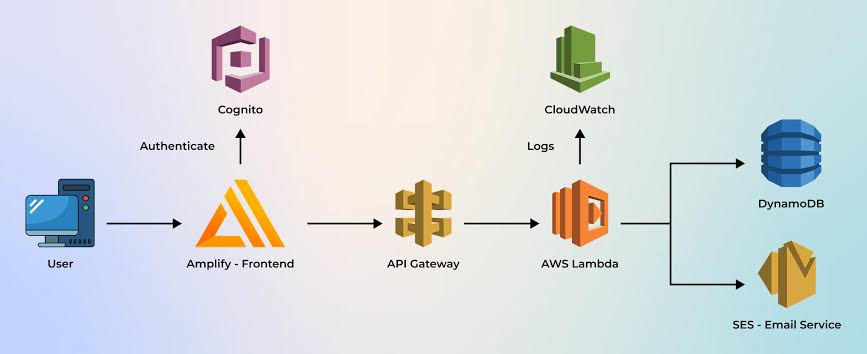
Architecting a multi-tenant software-as-a-service platform requires careful planning. We detail the key considerations including database isolation, subscription billing using Stripe, and optimized caching.
1. Database Multi-Tenancy Models
Deciding whether to use a single database with tenant IDs, separate schemas, or separate database instances is the foundation of SaaS architecture. For most mid-market platforms, a shared database with strict tenant filtering (e.g. using middleware or row-level security) offers the best balance of cost and security.
- Shared Database, Shared Schema: Low cost and easy setup. Strict row-level validation is required to prevent data leaks between tenants.
- Shared Database, Separate Schemas: Medium isolation. Prisma and PostgreSQL support separate schemas cleanly, providing schema-level separation.
- Database Per Tenant: High cost, highest isolation. Best choice for enterprise customers with compliance requirements.
2. Subscription Billing with Stripe
Integrating billing systems requires handling subscription states, webhooks, and grace periods. Implementing a robust synchronization layer using Stripe Webhooks ensures that user status is always in sync with their active invoices.
// Webhook Handler Mockup
export async function POST(req: Request) {
  const sig = req.headers.get("stripe-signature");
  const event = stripe.webhooks.constructEvent(body, sig, endpointSecret);

  if (event.type === "customer.subscription.updated") {
    const subscription = event.data.object;
    // Update tenant subscription status in DB...
  }
}
3. Scalable Caching Strategy
SaaS platforms make frequent database queries. Implementing Redis caching layers on read-heavy routes (such as user settings or public pages) is critical to keeping database response latency below 50ms during high-traffic events.
"A robust multi-tenant SaaS architecture is built on three pillars: absolute data isolation, resilient billing integrations, and sub-100ms response times."
Following these architectural principles enables platforms to scale from hundreds to millions of users seamlessly.
Enjoyed this article?
Share this insight with your network or team members using the buttons below.